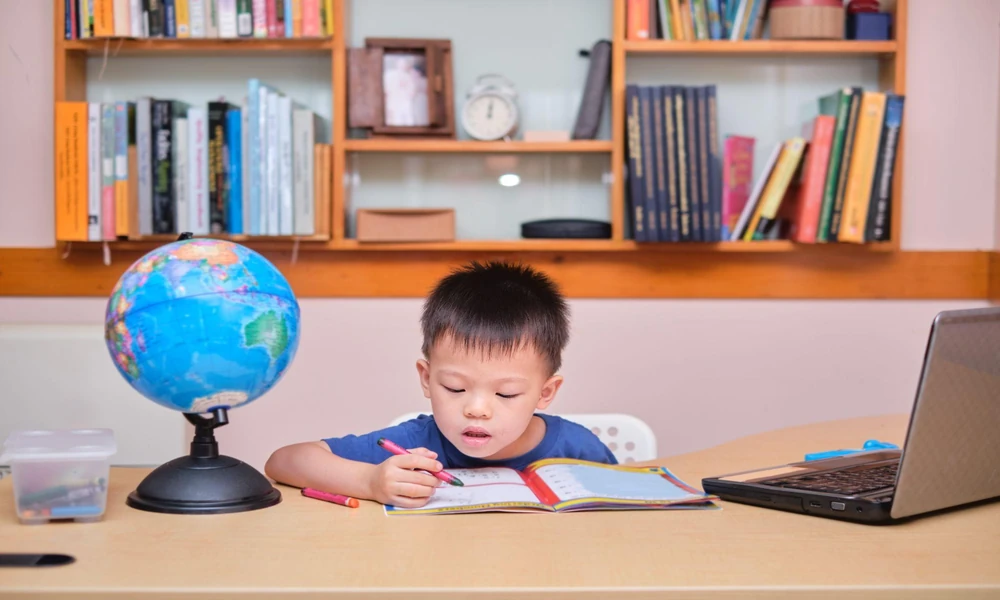
Every parent wants to see their child study independently. We love watching young learners open their assessment books, review vocabulary lists, and tackle past examination papers without endless reminders. Self-directed revision builds personal discipline, fosters problem-solving resilience, and works brilliantly for subjects where a child already possesses a solid foundational grip.
However, Mandarin presents unique learning hurdles. When a child struggles with tonal subtle nuances, sentence structure, or complex comprehension passages, forcing additional hours of solo revision often yields frustration rather than progress. Knowing when to transition from independent study to structured external support from a Chinese tuition centre makes all the difference.
Decoding the Signals: When Self-Study Hits a Wall
Independent revision relies on a vital prerequisite: a child must understand the core material well enough to self-correct mistakes. When your child reviews an incorrect answer in a practice paper but cannot comprehend why their grammar or character choice failed, extra self-study simply reinforces those underlying errors. Key indicators that self-study is not working include persistent plateauing grades, where scores remain stuck in the same band despite significant effort, and growing avoidance or anxiety, which may manifest as frustration or reluctance during homework time.
Additionally, watch for vocabulary retention gaps, where memorised spelling lists for weekly tests are forgotten shortly after, and composition writing stagnation, where essays lack variety and rely on basic, overused sentence patterns. Recognising these warning signs early allows parents to step in with the right support before these learning gaps widen into major academic obstacles.
The Language Trap: Why Solo Practice Falls Short in Non-Mandarin Homes
Many households in modern Singapore communicate primarily in English. While parents easily assist with English compositions or Maths problem sums, supporting upper-level Chinese homework often poses a significant challenge.
Without a natural environment for daily conversation, children struggle to grasp colloquial phrasing, idiomatic expressions (cheng yu), and natural sentence flow. Sitting alone with a dictionary helps a child look up isolated words, but it rarely teaches them how to apply those words contextually in comprehension or essay writing. Enrolling your child in dedicated Chinese tuition in Sengkang bridges this home environment gap by providing immersive, interactive verbal and written practice under expert guidance.
Professional Diagnostics: Pinpointing Root Causes Quickly
When a child’s grades slip, parents often assume the child simply needs to work harder or memorise more characters. However, academic struggles usually stem from specific, hidden skill gaps. A child might possess a vast vocabulary yet lack the exam technique required to identify clues in complex comprehension passages. Alternatively, they might understand spoken Mandarin perfectly but freeze when structuring written responses.
Experienced tutors conduct precise diagnostic assessments that pinpoint these exact weaknesses. Instead of assigning generic practice papers, specialised tutors at a quality Chinese tuition centre in Sengkang design targeted exercises that resolve specific learning bottlenecks. Tutors correct subtle pronunciation errors, teach structured answering techniques, and break down complex grammar rules into clear, manageable steps. This targeted approach saves your child time and prevents the exhaustion associated with endless, unfocused self-study.
Rebuilding Joy: Transforming Dread into Genuine Confidence
Perhaps the most damaging side effect of unproductive self-study is the slow erosion of a child’s self-esteem. When a student pours hours into independent revision yet continues to receive disappointing marks, they quickly internalise a belief that they simply “are not good at Chinese.”
Professional tuition breaks this negative feedback loop by creating a supportive, structured environment where small wins happen daily. Dedicated educators celebrate incremental progress, use engaging visual tools, and teach exam strategies that make the syllabus feel achievable. As your child masters new vocabulary and improves their composition skills, anxiety gives way to genuine confidence. That renewed self-assurance motivates them to approach the subject with enthusiasm rather than dread.
Turning the Page: From Struggle to Success
Independent revision remains a wonderful habit, but it cannot replace expert instruction when a child encounters structural language barriers. Recognising the limits of self-study enables you to provide the right support at the right moment. By replacing frustrating solo practice with structured tuition, you give your child the tools, techniques, and confidence needed to master Mandarin and excel academically.
Frequently Asked Questions
How many hours of Chinese tuition should a primary student attend weekly?
Most primary students benefit significantly from one structured weekly session lasting between 1.5 to 2 hours. Consistent weekly guidance provides steady momentum without overwhelming their standard school schedule.
Can tuition help if my child refuses to speak Mandarin at home?
Yes. Interactive tuition classes encourage children to speak through guided role-play, group discussions, and supportive presentation exercises, gradually dissolving their hesitation to speak Mandarin naturally.
How soon can parents expect to see results after starting tuition?
While academic grade improvements usually manifest over two to three term assessments, parents often notice increased confidence, reduced homework resistance, and better vocabulary retention within the first few weeks.
Don’t let your child struggle in silence. Contact Hua Language Centre to start your child’s journey toward lasting academic confidence.
