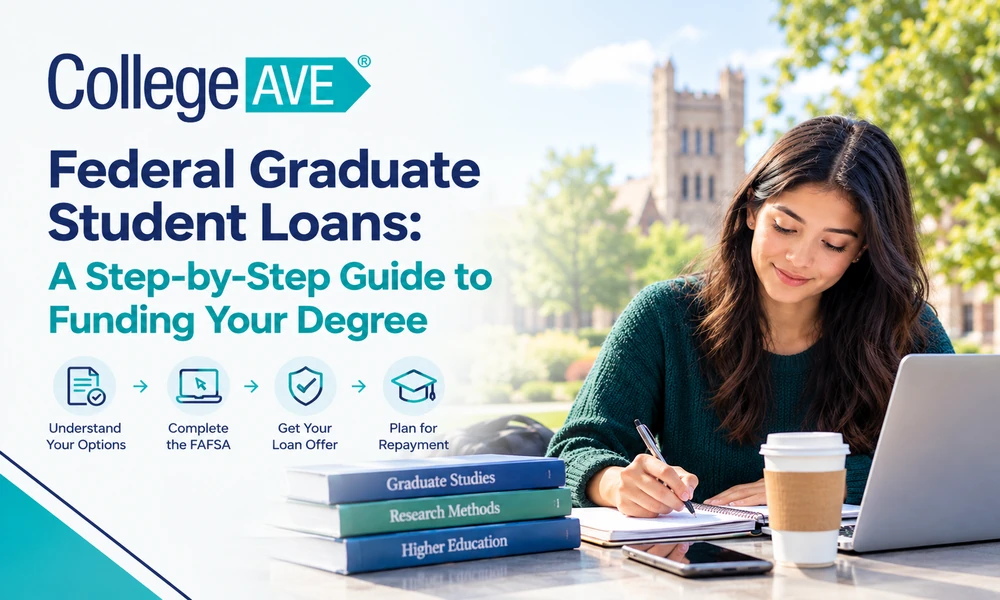
University is a major step towards your dream career. Your master, doctorate, or professional degree could help to gain new skills; however, tuition and living costs can quickly become quite expensive. Graduate student loans can fill the gap when those funds are too scarce to cover these expenses.
If you qualify for federal aid in the U.S., it may be worthwhile to pursue that route before seeking private loans. Keeping an eye on the application process will ensure that you do not face any delays in completion of your work.
Step 1: Check Your Eligibility
So, there are some laws based on federal graduate student aid. While there are exceptions, you typically must fulfill basic federal aid requirements, enroll in an accredited school, and a qualifying graduate degree program.
Your school can help clarify what specific aid options may be available. Graduate students may receive federal Direct Unsubsidized Loans. Due to ongoing changes in the rules of qualifying federal loan options, individual students enrolled in eligible professional programs may also be eligible for some federal loans.
Step 2: Complete the FAFSA
To learn more about how to apply for federal graduate student loans, start out with the FAFSA (Free Application for Federal Student Aid).
By submitting a FAFSA, you give your school the information it needs to decide whether or not you can get federal aid. Before you begin, collect the necessary personal finance information. Do not to stray too far from the directions on how and by when you need this form.
Questions or help with your application can be directed to your school’s financial aid office.
Step 3: Review Your Aid Offer
Once they process your application, your school provides you with information on the aid that is offered. Do not accept anything without checking the amount offered, the type of loan, and its terms.
Pay close attention to:
- Interest: Find out how interest is part of the cost.
- Loan limits: You can find out the largest loan you can get.
- Repayment rules: Get acquainted with when does it start paying.
- Further funding: Evaluate loans, on the other hand to gifts, scholarships, and assistantships.
You should also only take as much as you need to finish your education.
Step 4: Prepare for Repayment
Estimate what your monthly payments will be when you graduate, and whether those would stack up against the pay that is likely to come in for whatever position you walk into. File away copies of each loan and re-review the terms on an annual basis.
Federal loan rules and programs are subject to change, so refer to government sources for the latest information.
Simplify Your Graduate School Experience
Graduate students use loans to supplement the costs associated with a higher level of education, but every dollar borrowed needs thorough consideration. Before accepting a loan, fill out the necessary forms, and then review your funding options to become familiar with the repayment terms.
This ends up allowing you to focus on academics while managing future debt.
