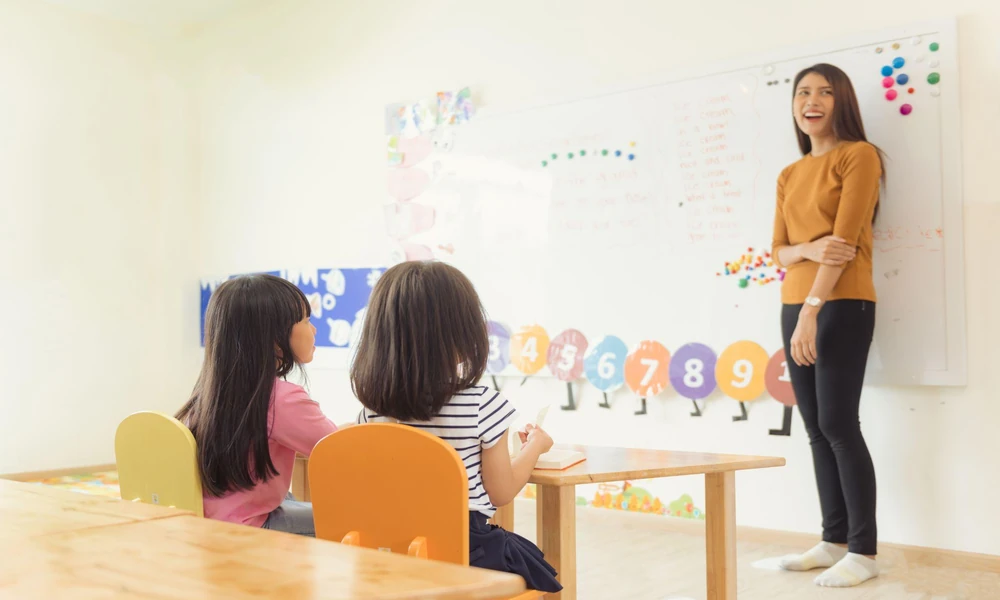
Choosing a bilingual programme involves far more than simply checking which languages appear in a school’s marketing brochure or curriculum description. In a multicultural hub like Singapore, early exposure to dual languages offers profound cognitive, social, and academic advantages. Young minds are uniquely adapted to absorb language structures naturally, fostering greater mental flexibility, enhanced problem-solving skills, and a deeper appreciation for cultural diversity. However, with numerous educational models available, selecting the right setting for your child’s early development can feel overwhelming.
Parents must look closely at how languages are seamlessly woven into daily routines, guided play, and interactive lessons. Assessing a bilingual preschool in Singapore requires understanding the specific nature of language exposure and the surrounding learning environment to ensure it aligns with your family’s goals.
1. Clarify Which Languages Are Used
It is essential to ask which languages children actively hear and use throughout the entire school day. Find out whether each language is confined to specific, timed subject lessons or naturally integrated across various daily activities, such as mealtime, outdoor play, and transitions. Understanding the balance between English and the second language gives a clearer picture of real-time immersion.
Parents should also inquire about how language exposure evolves as children transition through different age groups, from playgroup up to kindergarten. A well-structured progression ensures that language skills build steadily over time without causing undue stress or communication gaps.
Obtaining clear, detailed information helps families visualize what bilingual learning truly means within a specific preschool setting, allowing them to feel confident in their choice.
2. Ask How Language Learning Is Delivered
Young children acquire new languages best when learning feels natural, engaging, and contextually relevant. Rather than relying solely on rote memorization or formal drills, high-quality programmes immerse children through storytelling, nursery rhymes, hands-on activities, interactive games, and meaningful daily conversations.
Ask educators to explain their strategies for encouraging active participation from every child. It is equally important to know how teachers support children who may be hesitant or less confident in speaking a second language, ensuring a positive and supportive learning atmosphere.
Evaluating a bilingual programme based on actual classroom practice, teacher interactions, and child engagement offers a far truer measure of quality than relying on program titles alone.
3. Consider Your Home Language Environment
Take time to reflect on the primary languages spoken in your household and how they complement or contrast with the preschool’s linguistic model. A child’s language journey is most successful when home and school environments work in harmony to support balanced communication skills.
Some families may seek stronger immersion to reinforce a heritage language used by grandparents and relatives, whereas others may focus on developing well-rounded fluency for future academic readiness. Knowing your family’s unique priorities helps narrow down the choices significantly.
Decision Matrix
| Factor | Ask About | Consider If |
| Language exposure | Daily use of each language | You have specific language goals |
| Teaching approach | Stories, play and guided learning | Your child responds well to active learning |
| Family routine | School hours and communication | Parents have fixed schedules |
| Location | Travel time and accessibility | Daily convenience matters |
| Progress | How development is observed | You want regular updates |
4. Review the Wider Learning Programme
Language acquisition should never exist in isolation; it ought to flourish alongside a comprehensive early childhood development curriculum. Inquire about how foundational skills in early literacy, logical thinking, mathematical concepts, artistic expression, physical coordination, and emotional well-being are integrated into daily routines.
Parents can also ask how bilingual experiences interlock with inquiry-based learning or STEM activities, ensuring that dual-language development enhances broader cognitive skills.
A holistic approach guarantees that while language fluency develops, your child’s overall confidence, curiosity, and love for learning are equally nurtured.
5. Assess Location and Family Practicalities
Nearby preschools offer the clear benefit of shorter commute times, making daily drop-offs and pick-ups significantly smoother for working parents. However, physical proximity should be carefully balanced with practical considerations such as operating hours, extended care options, safety standards, and overall facility quality.
When evaluating convenient options, start by shortlisting centers in your area, then schedule school visits to observe teacher-child interactions, inspect classroom setups, and experience the school’s atmosphere firsthand.
Ultimately, choosing the ideal bilingual preschool in Singapore comes down to matching your child’s developmental needs with effective teaching methods, balanced language exposure, and family logistics. Visiting potential schools provides invaluable insight into finding an environment where your child will thrive.
Contact Raffles Kidz International to learn more about its bilingual learning environment and preschool programmes.